

Forex currency trading online has transformed the way individuals and institutions engage in the financial markets. With the click of a button, traders can access a global marketplace and speculate on the value of currencies against one another. This article serves as a comprehensive guide for both novice and experienced traders looking to elevate their skills and understanding of forex trading. Discover practical tips, effective strategies, and essential resources to navigate this exciting financial landscape, including links to the forex currency trading online Best Trading Apps that can enhance your trading experience.
Understanding Forex Trading
Forex, or foreign exchange, is the global marketplace for trading national currencies against one another. It is the largest and most liquid financial market in the world, with a daily trading volume exceeding $6 trillion. Forex trading involves buying one currency while simultaneously selling another, typically allowing for profit from the fluctuating exchange rates.
The Basics of Currency Pairs
All forex trades involve currency pairs, which consist of a base currency and a quote currency. The base currency is the first currency listed in a pair, while the quote currency is the second. For example, in the currency pair EUR/USD, the Euro is the base currency and the US Dollar is the quote currency. Traders speculate on whether the base currency will strengthen or weaken against the quote currency.
Additionally, currency pairs are categorized into three main types: major pairs (like EUR/USD and GBP/USD), minor pairs (like AUD/NZD and EUR/GBP), and exotic pairs (like USD/THB and EUR/PLN). Each type has its own characteristics, including liquidity and volatility, which can affect trading strategies.
Getting Started with Forex Trading
To begin trading forex, follow these essential steps:
- Educate Yourself: Before diving into trading, it’s crucial to understand the fundamentals of forex trading, technical analysis, and market dynamics. Numerous online resources, courses, and forums can provide valuable insights.
- Select a Reputable Broker: Choose a regulated forex broker that provides a user-friendly trading platform, competitive spreads, and excellent customer support. Ensure that they offer robust security measures to protect your funds and personal information.
- Open a Trading Account: After selecting a broker, you will need to open a trading account. Most brokers offer different account types catering to various trading styles and experience levels.
- Practice with a Demo Account: Before engaging in live trading, take advantage of demo accounts that many brokers offer. Demo accounts allow you to practice trading with virtual money, helping you gain confidence and refine your strategies without risk.
- Develop a Trading Strategy: Successful traders typically have a well-defined trading strategy that outlines their goals, risk tolerance, entry and exit points, and money management. Whether you prefer day trading, swing trading, or long-term investing, having a plan is essential.
Technical and Fundamental Analysis
When trading forex, it’s essential to analyze the market to make informed decisions. The two primary types of analysis are technical and fundamental analysis.
Technical Analysis
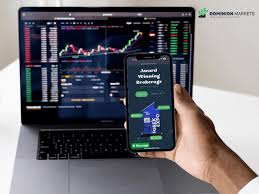
Technical analysis involves studying price movements and historical data to forecast future price actions. Traders utilize various tools and indicators, such as moving averages, trend lines, and Fibonacci retracement levels, to identify potential entry and exit points.
Fundamental Analysis
In contrast, fundamental analysis evaluates the economic, social, and political factors that can influence currency values. Key indicators include interest rates, inflation, unemployment rates, and GDP growth. Keeping abreast of news releases and economic reports helps traders gauge market sentiment and make informed trading decisions.
Risk Management in Forex Trading
Risk management is an integral part of successful forex trading. Without proper risk management, traders can incur significant losses that can jeopardize their trading accounts. Here are some key practices to implement:
- Set Stop-Loss Orders: A stop-loss order helps to limit potential losses by automatically closing a position when a specified price level is reached.
- Utilize Proper Position Sizing: Position sizing refers to determining how much capital to risk on each trade. A general rule of thumb is to risk no more than 1-2% of your total trading capital on a single trade.
- Diversify Your Portfolio: Diversification helps to mitigate risk by spreading capital across various currency pairs or assets rather than concentrating on a single trade.
- Maintain a Trading Journal: Recording your trades, including the rationale behind your decisions, can provide invaluable insights and help you learn from both successes and mistakes.
Continuous Learning and Adaptation
The forex market is constantly evolving, driven by changes in the economic landscape, geopolitical events, and market sentiment. Therefore, continuous learning and adaptation are vital for long-term success. Consider regularly updating your knowledge through reading books, attending webinars, and engaging with trading communities.
Conclusion
Forex currency trading online offers exciting opportunities for traders willing to dedicate time and effort to mastering the market. By understanding the fundamentals, developing sound strategies, and implementing effective risk management techniques, you can position yourself for success. Remember to take advantage of the variety of resources available, including trading apps and platforms, to enhance your trading experience. Whether you’re just starting or looking to refine your skills, the world of forex trading awaits.